A Complete Checklist for Safely Meeting Buyers & Sellers in Person
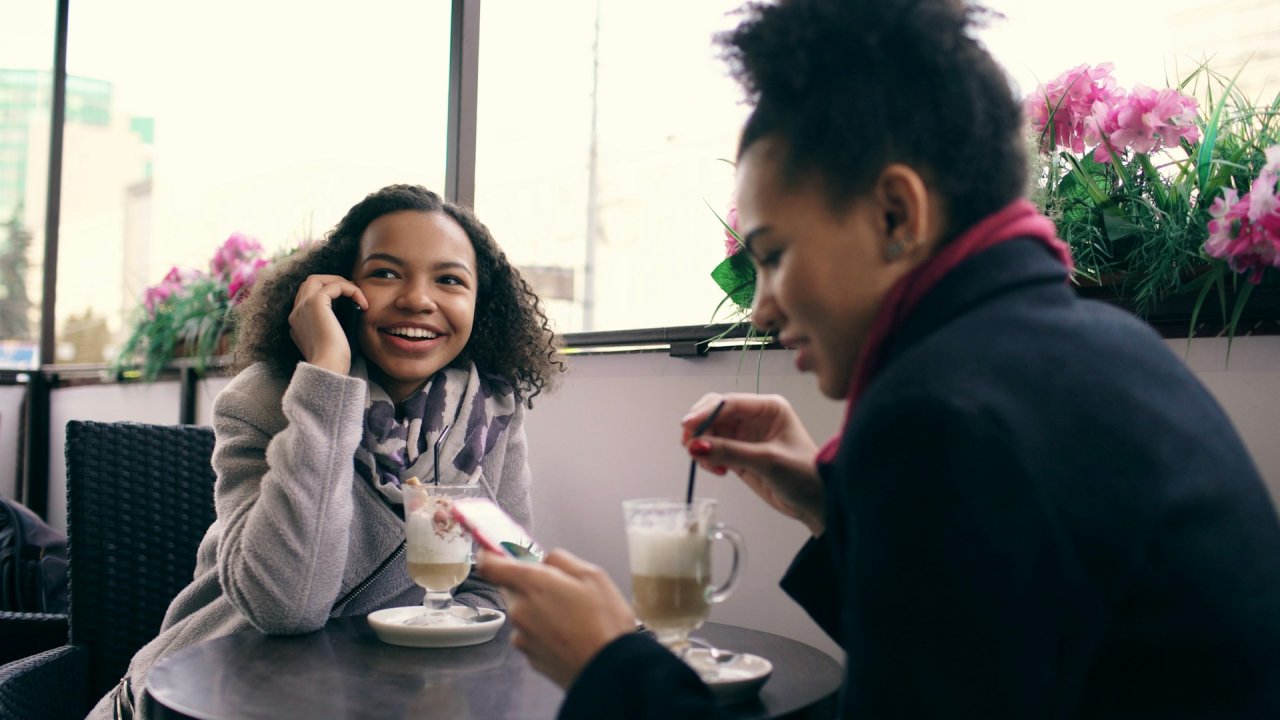
When Australians buy and sell items through online marketplaces, classified ads, and social platforms, meeting in person is often the final step of the transaction. While face-to-face exchanges can be efficient and convenient, they also require careful planning to reduce safety risks. This checklist outlines who should use it, what steps to follow, when and where to meet, why precautions matter, and how to conduct a secure and professional in-person exchange.
The guidance applies to individuals arranging private transactions across Australia, whether selling a car, electronics, furniture, or other personal items. It is relevant at any time a buyer and seller agree to meet offline to complete a sale or inspection.
Why Safety Matters in In-Person Transactions
According to Scamwatch, Australians lose millions of dollars each year to scams and unsafe transactions linked to online marketplaces. In-person meetings can expose people to theft, fraud, or personal harm if proper precautions are not taken.
The Australian Competition and Consumer Commission (ACCC) states:
“When meeting someone to buy or sell an item, always prioritise your personal safety and take steps to verify who you are dealing with.”
This checklist is designed to reduce risk by encouraging clear communication, careful planning, and secure payment practices.
The Complete Safety Checklist
1. Before the Meeting: Preparation
Confirm identities
-
Request the other party’s full name and a contact number.
-
Check that their profile history, reviews, or selling activity appears consistent.
-
Avoid dealing with accounts that refuse to share basic details.
Keep communication on the platform
-
Use the marketplace’s messaging system where possible.
-
This provides a record if disputes arise.
Share meeting details
-
Tell a friend or family member:
-
Who you are meeting
-
Where
-
When
-
What you are selling or buying
-
Trust warning signs
-
Pressure to rush
-
Requests to meet in isolated locations
-
Requests for unusual payment methods
Victoria Police advises:
“Always let someone know where you are going and who you are meeting when arranging private sales.”
2. Choosing the Right Place
Meet in public, well-lit areas
-
Shopping centres
-
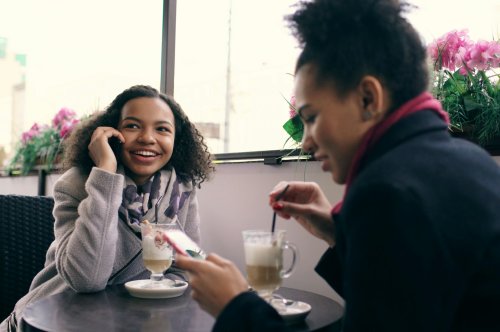
Cafés
-
Busy petrol stations
-
Police station car parks (many in Australia offer safe exchange zones)
Avoid
-
Private homes
-
Empty car parks
-
Remote or poorly lit areas
New South Wales Police notes:
“Public locations with CCTV and regular foot traffic reduce the risk of confrontation or theft.”
3. Choosing the Right Time
Meet during daylight hours
-
Visibility improves safety and identification.
-
Businesses and services are more likely to be open if assistance is needed.
4. Bringing Support
Do not meet alone when possible
-
Bring a friend or family member.
-
Their presence can deter unsafe behaviour and provide support.
5. Inspecting Items Safely
For buyers:
-
Inspect items thoroughly before payment.
-
Check serial numbers, condition, and functionality.
-
Avoid testing items in private spaces or inside vehicles.
For sellers:
-
Keep control of the item until payment is confirmed.
-
Do not allow buyers to take items “for testing” without payment.
6. Payment Safety
Use secure payment methods
-
Cash in small, exact amounts
-
Bank transfer completed on the spot
-
Verified payment apps used in Australia
Avoid
-
Overpayments with refund requests
-
Gift cards
-
Cryptocurrency
-
“Pending” payment screenshots
The ACCC warns:
“Requests for unusual payment methods are a strong indicator of fraudulent activity.”
7. Handling Cash Safely
-
Count money in a visible, secure place.
-
Check notes for authenticity.
-
Avoid carrying large sums for extended periods.
-
Deposit cash as soon as possible after the transaction.
8. Exchanging Personal Information
-
Share only what is necessary.
-
Avoid giving:
-
Home address
-
Workplace details
-
Identification documents unless legally required
-
9. Transport and Personal Security
-
Park in visible, well-lit areas.
-
Keep your phone charged.
-
Have emergency numbers easily accessible.
-
Trust your instincts and leave if something feels unsafe.
Queensland Police Service advises:
“If a situation does not feel right, you are not obligated to continue with the transaction.”
10. After the Meeting
-
Confirm payment is fully cleared.
-
Keep transaction records.
-
Report suspicious activity to:
-
The platform used
-
Scamwatch
-
Local police if required
-
Context: Why This Checklist Is Relevant in Australia
Online marketplaces are widely used across Australia for second-hand goods and private sales. While most transactions are legitimate, law enforcement agencies and consumer protection bodies consistently advise caution when meetings occur offline. This checklist reflects guidance commonly shared by Australian police services and consumer protection authorities.
It applies equally in metropolitan cities, regional towns, and remote areas, where access to public meeting spaces may vary but safety considerations remain the same.
My Summary
This checklist provides a structured approach to safely meeting buyers and sellers in person by covering:
-
Identity verification
-
Secure locations
-
Daytime meetings
-
Safe payment methods
-
Personal security
-
Reporting and record-keeping
By following these steps, Australians can reduce risk and conduct transactions with greater confidence and professionalism.